
Opening doors in stop motion
Georgia’s Access Bursary - Trafford
Artist: Georgia Madden
Artist Website: https://www.sheenamation.com/
Context
Georgia Madden is an early-career stop‑motion animator based in Liverpool. She works part‑time in a library and pours most of her spare time and income into developing her own projects.
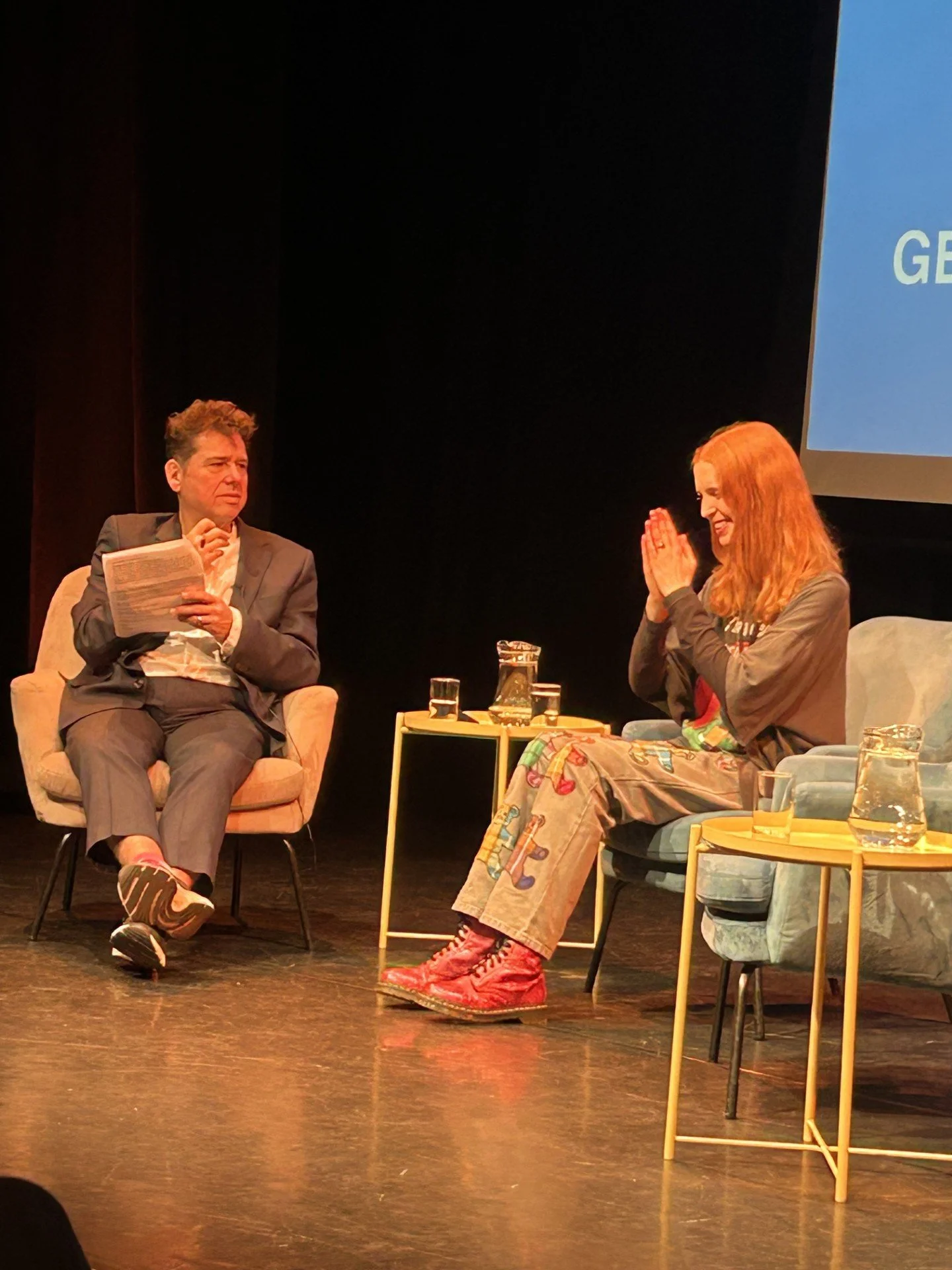
For several years she has travelled to Trafford to attend the Puppet Masters Conference at Waterside Arts. In 2024 she was invited back not just as an attendee but as a speaker, presenting the concept and puppets for her new film, RUBBERLEG. That moment of visibility became the bridge into a much deeper opportunity.
MacKinnon & Saunders, the renowned Altrincham-based stop‑motion puppet workshop whose team has brought characters such as Bob the Builder, Postman Pat, Fifi and the Flowertots, Tim Burton’s Corpse Bride and Wes Anderson’s Fantastic Mr Fox to life, were also in attendance. Their presence, and the relationships around the conference, set the stage for a transformative placement for Georgia.
The challenge: ambition without access
Before the GM Arts Access bursary, Georgia was hitting a wall. Her previous film, made through the BBC New Creatives North scheme and screened on BBC iPlayer, had proved she could deliver a strong, distinctive short. But making the next step – a more ambitious stop‑motion film with multiple characters and sets – felt out of reach.
She was self‑funding everything from a part‑time wage.
Applications to Arts Council England and British Film Institute were competitive.
She had limited access to professional equipment, materials and mentoring.
Her last puppet could only sit: she had no experience of building fully articulated armatures or making a character walk.
Commissioning a specialist armature maker, or buying high‑end kits, was financially impossible.
As she put it, she was at “a total loss” - with years of storyboards and drawings for RUBBERLEG ready to go, but no realistic way to make the puppets she needed.
The opportunity
After hearing Georgia speak at Puppet Masters, GM Arts Member and Waterside Arts Creative Industries Coordinator Richard Evans recognised both her commitment and the barriers she was facing. Together with colleagues, he brokered a connection with MacKinnon & Saunders and pointed Georgia towards applying for a GM Arts Access Bursary to support travel to a potential placement with the company.
The bursary, worth roughly £450 and was deliberately simple and practical - money that would unblock access: several months of train and tram fares from her home Liverpool to Deansgate and on to Altrincham.
Georgia describes the bursary as “a foot in the door”, but is clear that the relationships around it mattered just as much. The combination of a public platform at Puppet Masters, an advocate in Richard, and a modest but flexible bursary created the conditions for a much deeper opportunity.
What the bursary made possible
With her travel covered, Georgia was able to commit to a regular placement at the MacKinnon & Saunders workshop:
She travelled to Trafford twice a week, Mondays and Fridays, at first by train and tram, a two to two‑and‑a‑half hour journey each way, and later by car after learning to drive.
The team gave her a dedicated corner of the workshop, with desk space where she could leave moulds, materials and works in progress.
She had access to professional machinery, tools and specialist materials that would otherwise have been unaffordable.
Senior makers in the mould‑making and silicone departments offered day‑to‑day mentoring – troubleshooting specific problems, demonstrating techniques and gradually building her independence.
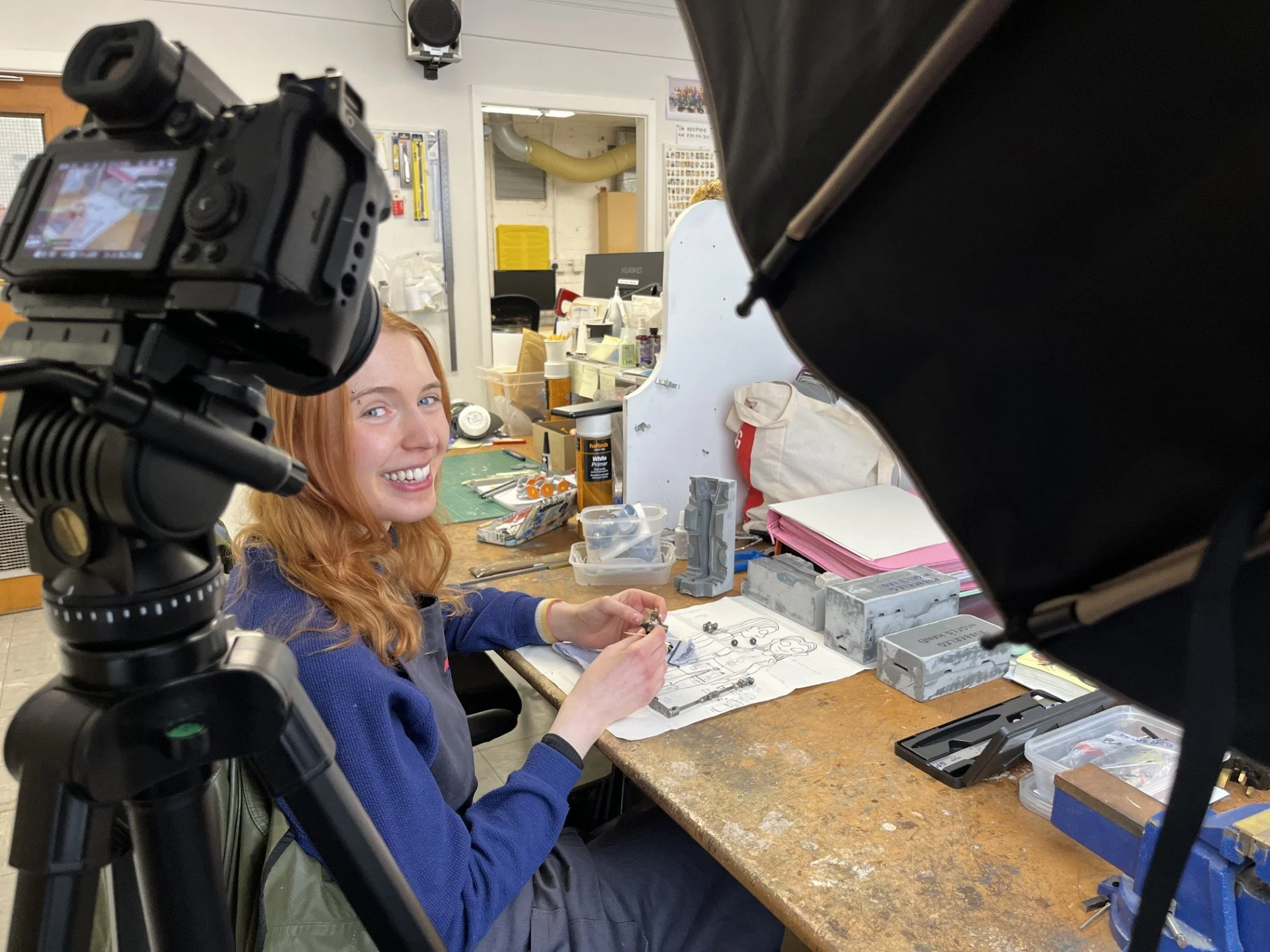
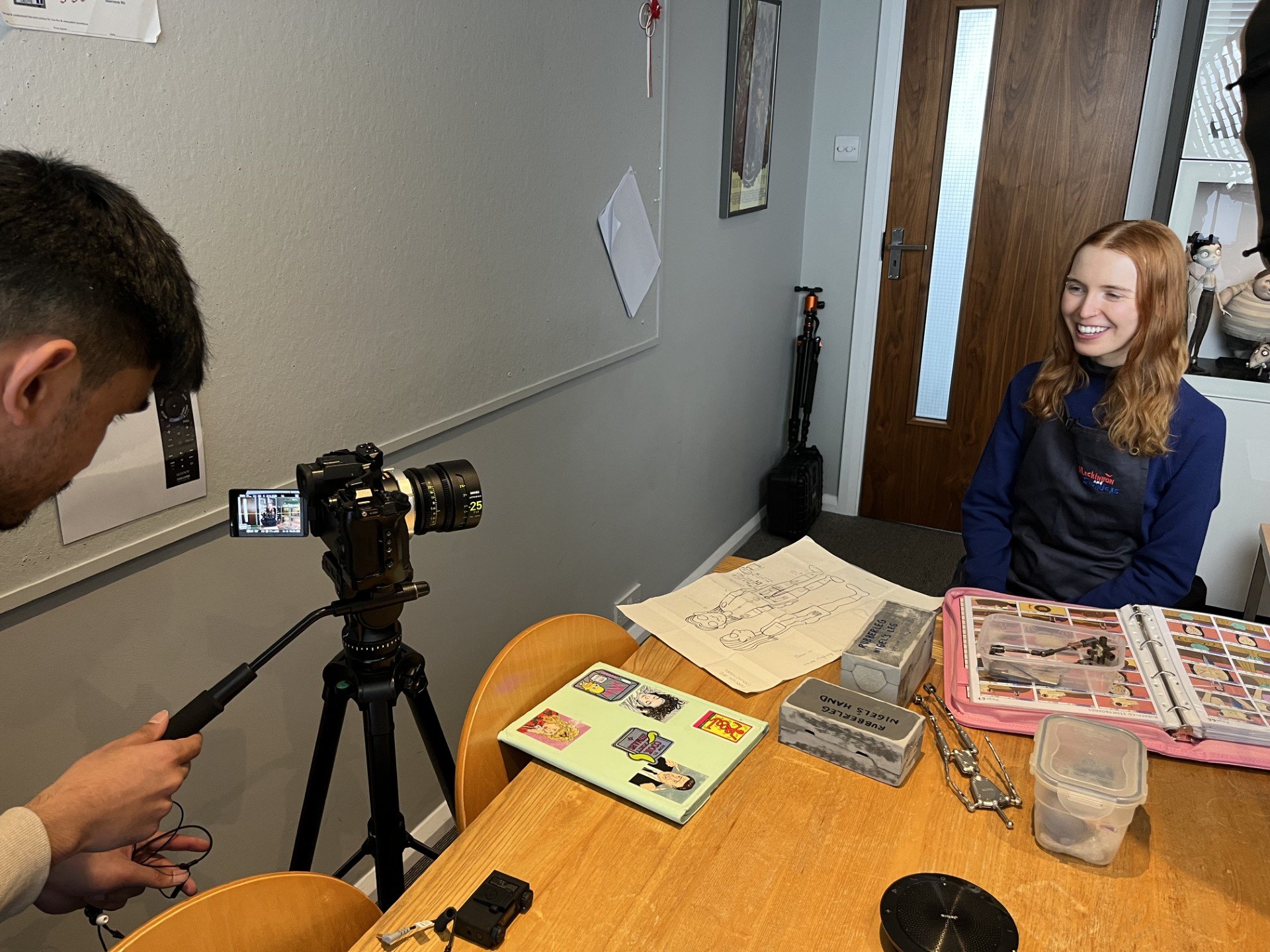
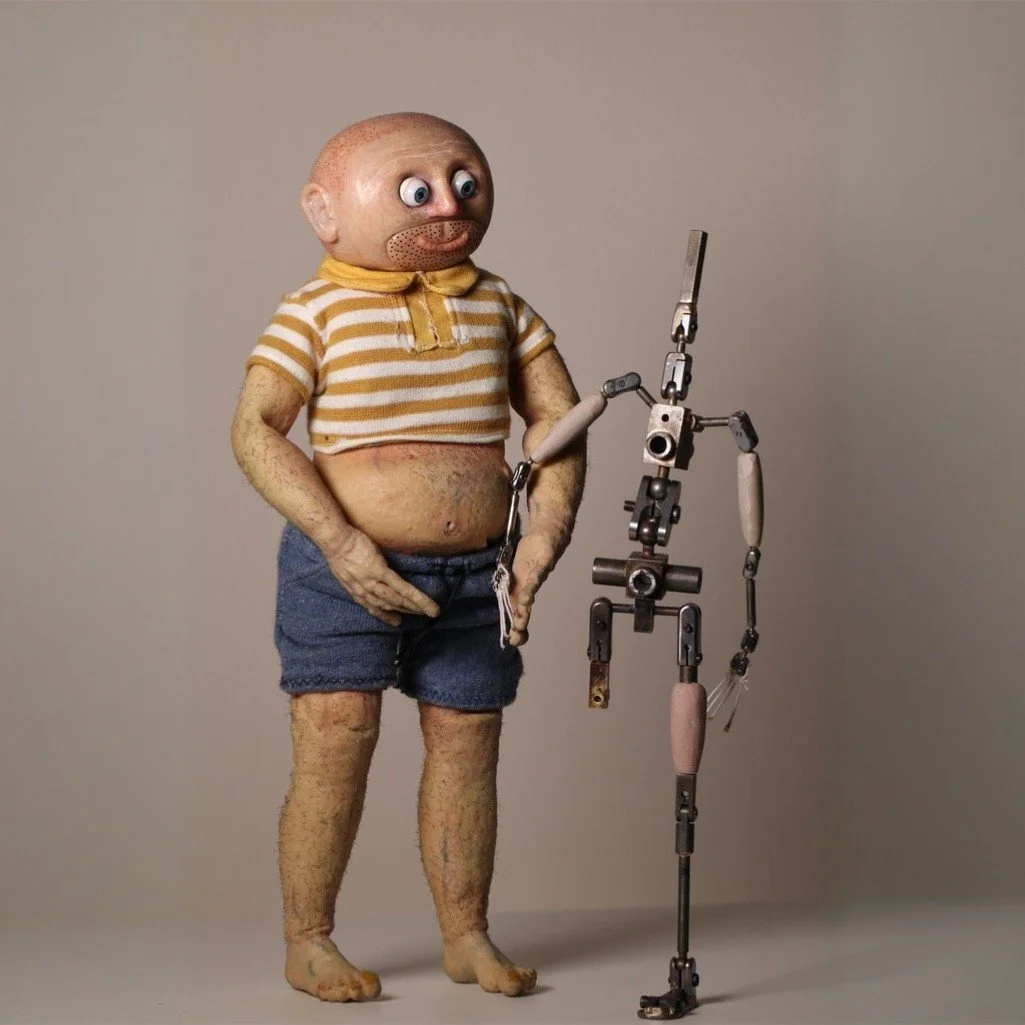
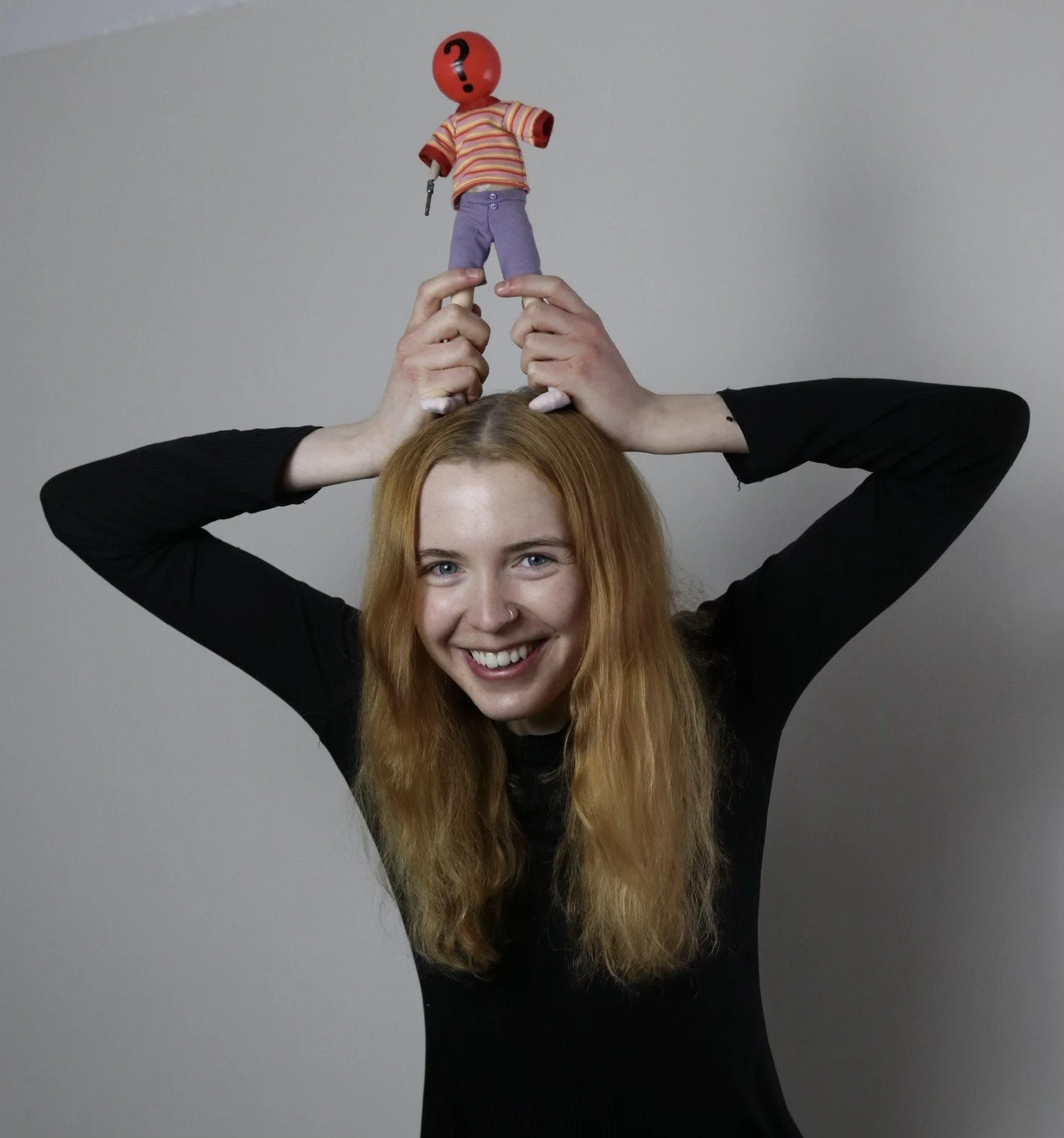
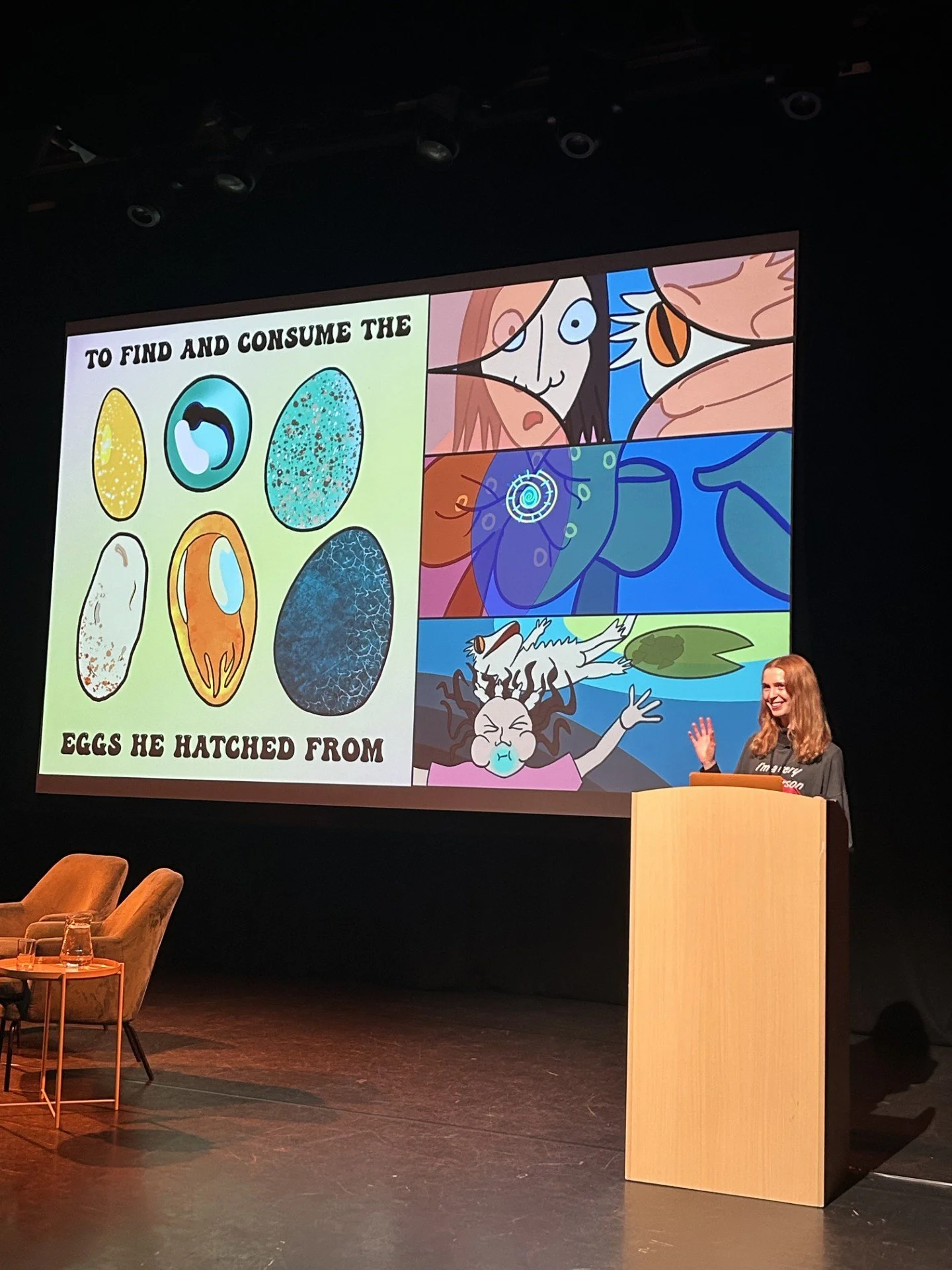
Over the course of a year, Georgia moved from being someone who had never soldered an armature or built a walking puppet, to someone confidently constructing two fully articulated lead characters for her new project, RUBBERLEG. She is now in the final stages of building and finishing these puppets – casting heads, painting bodies and experimenting with hair – ready to take the next step into production.
“I couldn’t be where I am without Mackinnon & Saunders letting me go [to the workshop],” she reflects. The bursary didn’t buy finished puppets; it unlocked travel, and therefore access to a learning environment that may otherwise have been closed.
For a niche form like stop‑motion animation, where there are very few studios and most are concentrated in London and Bristol, Georgia explained that this northern “bubble” matters. “There are only a few small bubbles for animation in the UK, and this [in Trafford] is the only one up North. It’s very important that the arts and stop motion are supported in Greater Manchester”. Being able to plug into that bubble without relocating has been critical.
In this case, the bursary worked well paired with brokerage. The bursary alone would not have introduced Georgia to the MacKinnon & Saunders professional workshop; the conference platform and Richard’s advocacy did that. Together, they created both the invitation and the means to accept it.
What’s next?
Georgia is now focused on completing the two lead puppets for RUBBERLEG and exploring how to secure a producer and production funding to move the film into making. The relationship with Waterside and MacKinnon & Saunders, and the skills developed through her placement, will be central to those next steps.
